
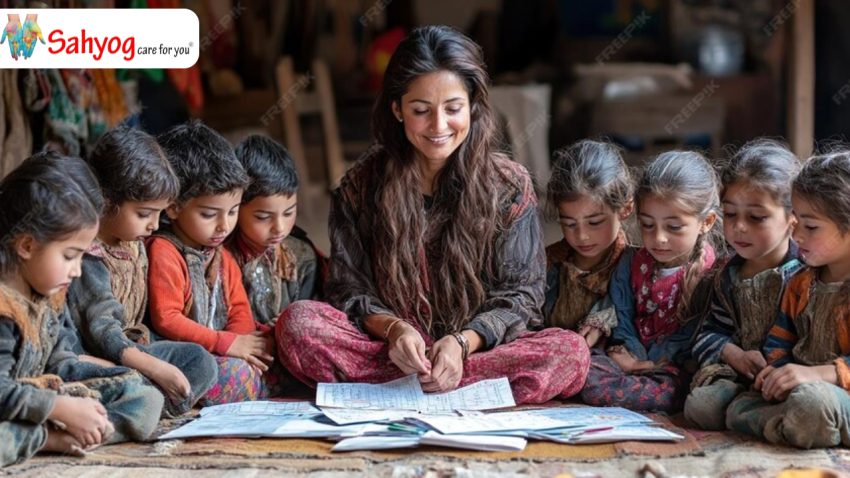
In today’s rapidly evolving digital world, access to technology and digital skills is no longer a luxury—it is a necessity. However, millions of children, especially in underserved communities, still lack basic digital exposure. This is where NGOs for Child Education play a crucial role by bridging the digital divide and ensuring that every child gets an opportunity to thrive in a tech-driven future.
The Growing Need for Digital Literacy
Digital literacy is not just about having knowledge of computer use. It encompasses learning how to seek information, digital communication and responsibility in using digital tools. In children with underprivileged backgrounds, lack of these skills may increase the education gap and the employment opportunities in the future. In response to this requirement, NGOs for Child Education are also rolling out digital initiatives that are equipping young students with the necessary 21st century skills.
Key Digital Initiatives by NGOs
A lot of NGOs working in the area of Child Education have initiated new programs that would enable digital learning to be both accessible and interesting. Such projects involve the establishment of computer labs in schools in the rural areas, distributing tablets, and access to online education platforms. There are also mobile digital classrooms run by some NGOs which travel to the most remote areas so that even the children in the most remote areas can enjoy the benefits of technology.
Further, regular training sessions are provided to educate children in basic computer skills, coding and internet safety. NGOs make learning interactive and effective by using such resources as educational apps, videos, and gamified learning modules.
Empowering Teachers and Communities
Digital literacy initiatives are not limited to students alone. NGOs for Child Education also have a lot of activities that aim at equipping teachers on the adoption of technology in their teaching practice. The training activities and workshops enable the educators to feel comfortable about the use of digital tools that subsequently boost learning in the classroom.
Moreover, NGOs tend to work with parents and local communities to create awareness of the need to have digital education. This comprehensive strategy means that these children are supported at school and at home.
Overcoming Challenges
As much as these initiatives are transformative, they do not come without difficulties. Poor internet connectivity, infrastructural deficiencies, and affordability may be a setback. Nevertheless, NGOs for Child Education are still creative with offline learning options, solar powered equipment and collaboration with technology companies to overcome these limitations.
The Long-Term Impact
The impact of the digital literacy programs has a long-lasting effect beyond the classroom. Digitally empowered children become confident, better academically, and learn to think critically. More significantly, they are in a better position to be ready to take up future career opportunities in a digitally growing economy.
Conclusion
Digital literacy is a powerful tool for social change, and NGOs are at the forefront of this transformation. With their committed work, NGOs for Child Education are not only improving the learning experiences but also creating a more inclusive and equal future. These organizations are not leaving any child behind in the digital age since they are constantly investing in digital projects.