
Transaction Start: The Price Of Nothing
Before any receipt gets itemized, start with the cost of doing nothing. India is home to 1.38 billion people, and over 6% of them still lack access to safe drinking water, while around 15% of the population practices open defecation. The bill for that gap arrives in the cruelest currency possible: close to 0.3 million children under five die every year in India from infectious diarrhoea, most of them from socio-economically vulnerable communities, and almost all of it entirely preventable. That’s not a statistic sitting quietly in a report, it’s the actual price of a problem that has a known, affordable fix.
Line Item 1: The Infrastructure
Sahyog runs Project Jal Raksha specifically to close this gap, installing RO water facilities in schools and communities that don’t have reliable access to safe drinking water. The receipt so far reads: 39 water RO facilities installed across Maharashtra, Himachal Pradesh, Tamil Nadu, Madhya Pradesh, Telangana, Haryana, Jharkhand, Karnataka, Punjab, Delhi, Rajasthan, Gujarat, and Andhra Pradesh, alongside a Water Kiosk model, together reaching 2,47,500 beneficiaries. That’s a genuinely Pan-India footprint, not a single flagship installation, but infrastructure spread across thirteen states, placed specifically where the existing water supply falls short.
Line Item 2: The Schools
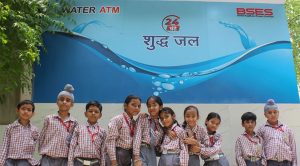
A separate line on this receipt covers education specifically. RO and UV water systems, ranging from 500 to 1,200 liters per hour in capacity, are installed in schools depending on each site’s specific needs, sized to match the number of students actually relying on them rather than a one-size-fits-all unit dropped in regardless of scale. For a child, this is the difference between a school day spent thirsty and distracted, and one spent focused, simply because safe water was available exactly where and when it was needed.
Line Item 3: The Human Touch
Installing a facility is only half the work, which is why this receipt includes a line item most water projects skip entirely: community awareness sessions on safe water handling and storage, and water conservation, run alongside every installation. A perfectly functioning RO unit still fails if the water gets stored unsafely once it leaves the tap, or if a community has no reason to use it responsibly rather than wastefully. This is exactly the kind of complete thinking a genuine NGO for health & hygiene needs to bring to water access, treating clean water and safe handling as one connected lesson rather than two separate problems.
Line Item 4: The Water Atm
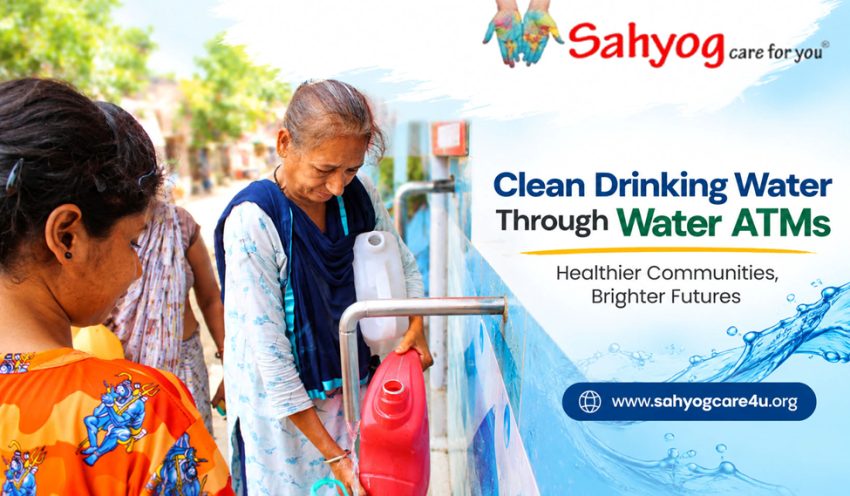
Here’s where the receipt gets genuinely clever. Some of these RO units are converted into water ATMs and run by local Self Help Groups. A person simply inserts a coin or taps an RFID card, and the machine dispenses 10 liters of safe drinking water for just ₹1, turning clean water into a daily habit rather than an occasional luxury reserved for days a family can afford it. Every ATM does more than dispense water, it creates local employment through its day-to-day management and operations, and opens up genuine entrepreneurship opportunities that put women at the centre of running it, not just receiving from it. Each plant comes with a 12-month warranty and quarterly maintenance visits, backed by regular water quality checks from the Delhi Jal Board and other government agencies, so the receipt doesn’t just reflect a purchase, it reflects a warranty on a promise. This is precisely what a genuine NGO for safe drinking water should be building, infrastructure with built-in accountability, not a one-time installation left to quietly degrade.
Subtotal: What’s Been Delivered So Far
Add it all up and the receipt shows 39 RO facilities, a Water Kiosk model layered on top, school-specific systems scaled by capacity, awareness sessions reinforcing safe use, and a growing network of women-run Water ATMs, together already reaching 2,47,500 people. That’s not a pilot project waiting to prove itself, it’s an operating model already running at genuine scale.
Tax Line: The Price Of Getting It Wrong Elsewhere
Compare this receipt to what happens when water projects skip the maintenance, skip the awareness sessions, or skip the quality checks entirely. Within a year or two, these installations quietly stop functioning, taps break, filters clog, nobody trained to fix them is still around, and the community slides back to exactly the unsafe sources this entire project was meant to replace. That’s the hidden tax most water infrastructure projects never disclose upfront, the cost of a facility that looked complete on installation day but had no plan for month thirteen. The 12-month warranty and quarterly maintenance built into every Jal Raksha installation isn’t an optional extra line on this receipt, it’s the clause that keeps the rest of the purchase from becoming worthless within a year.
Total Due: ₹1
Strip away every line item, and the number that matters most to a family standing at one of these machines is simple: ten liters of safe drinking water, for one rupee. Clean water isn’t a luxury a child, or a community, should have to be lucky enough to be born into, it’s the most basic promise a neighborhood can make to the people inside it. At just ₹1 for 10 liters, this receipt proves that promise doesn’t have to be expensive to keep.
Get Involved
Extending this receipt to more schools, more communities, and more states takes continued support. Funding a new RO installation, sponsoring a school-specific water system, or backing a Water ATM that puts a local SHG in charge of running it are all concrete ways to help close India’s drinking water gap. Companies and donors specifically looking for a genuine NGO for safe drinking water with a documented, Pan-India footprint will find exactly that evidence in this receipt. And anyone searching for an NGO for health & hygiene that pairs infrastructure with the awareness to make it last need only read it line by line, state by state, rupee by rupee.