
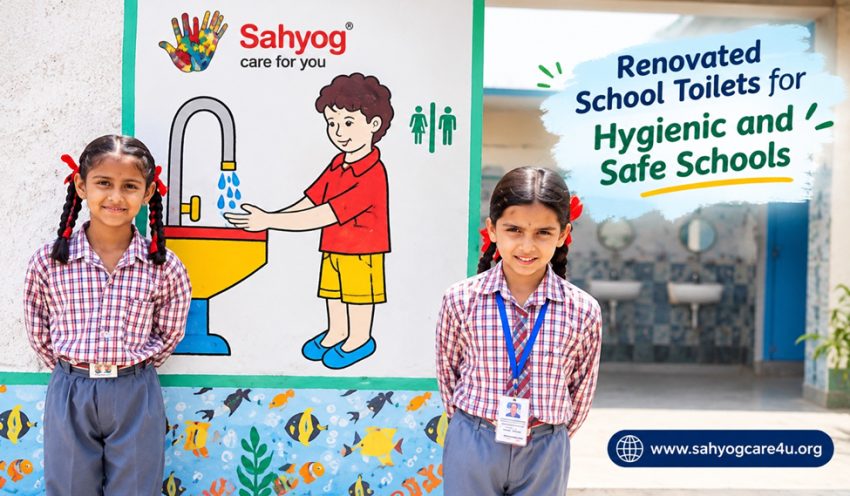
The toilet that keeps a child home
A broken lock, no water supply, a facility that simply isn’t safe to use — any one of these is enough to make a student, often a girl, start skipping school rather than risk it. It’s rarely framed as a dropout problem, but that’s exactly what an unusable school toilet quietly causes over time: an absence here, a missed exam there, a pattern that builds up long before anyone traces it back to its actual cause. For a government school already stretched thin on budget, a functioning toilet can end up low on the list of repairs, even though it’s often the single fix with the most direct effect on whether a student keeps showing up at all.
The scale of the gap
Sanitation gaps in government schools rarely make headlines the way a new building or a donated computer lab does, which is part of why they persist for so long. A toilet block that’s been broken for months can go unnoticed by anyone outside the school itself, even as it quietly shapes attendance, especially for older girls who stop coming once there’s no safe, private facility available to them. Fixing it isn’t a dramatic intervention — it’s a practical one, and that’s exactly why it tends to get overlooked in favour of more visible projects.
Ngo for toilet renovation: fixing what’s already there
As an NGO for Toilet Renovation, Sahyog Care for You renovates toilets in MCD schools, turning unusable facilities into safe, child-friendly ones. That means fixing what’s structurally broken — water supply, locks, drainage — and pairing it with the kind of design detail that actually gets a facility used: clear signage, separate boys’ and girls’ toilets, and simple hygiene reminders like handwashing posters placed where children will actually see them. None of this is complicated engineering, but it’s the difference between a toilet that technically exists on paper and one a child will actually use. The impact shows up directly in the numbers that matter to a school: higher student enrolment, better attendance, and stronger community trust in what the school can actually offer its students.
Wash implementation partner: doing the on-ground work
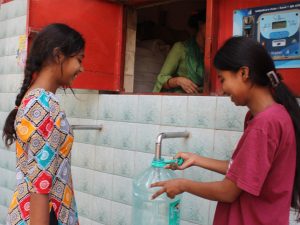
Renovating a toilet is one piece of a larger, coordinated effort. As a WASH implementation partner, Sahyog runs seven Water ATMs in high-traffic community areas, each providing 10 litres of safe drinking water for just ₹1 and together serving around 25,000 beneficiaries daily — with each ATM run locally, creating entrepreneurship opportunities for the women who manage it. Alongside this, targeted Behaviour Change Communication (BCC) campaigns build community awareness around hygiene, nutrition, and preventive healthcare, while continued support for Primary Health Centres (PHCs) keeps everyday healthcare access improving in step with water and sanitation, rather than as a separate, disconnected track. It’s this full-picture approach — water, toilets, hygiene behaviour, and healthcare access, handled together — that government bodies and CSR funders rely on when they need a partner who can actually deliver a WASH program, not just fund one.
Working alongside government and community
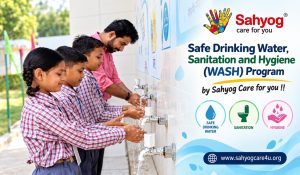
None of this happens in isolation. Toilet renovations run through coordination with MCD schools and local authorities, the same kind of on-ground relationship-building that lets Sahyog identify which facilities need fixing first and follow up once the work is done. That ongoing presence is what separates a one-time renovation from a program: someone checking back months later to confirm the toilet is still functioning, the Water ATM is still running, and the hygiene messaging is still landing, rather than treating a single fix as the end of the job.
Why the two sides matter together
A renovated toilet with no awareness campaign behind it can fall back into disrepair once nobody’s paying attention to its upkeep, and a hygiene awareness drive means little if the facility itself is still broken or unsafe to use. What makes an NGO for Toilet Renovation effort last is the ongoing execution a WASH implementation partner provides — maintenance, monitoring, and community engagement that keep the fix from being a one-time event. Together, these two roles turn a single repaired toilet block into part of a larger, sustained system: one where clean water, working sanitation, and basic hygiene knowledge all reinforce each other instead of existing as separate, disconnected projects.
Get involved
Sponsor a school toilet renovation, fund a Water ATM for a community still relying on unsafe water, or partner with Sahyog as the on-ground team executing your organization’s next WASH initiative. For companies structuring a CSR allocation around SDG 6, or individuals looking for a project with a direct, visible impact on children staying in school, this is a model already running — toilets fixed, water flowing, and a team in place to keep both working long after the initial investment.