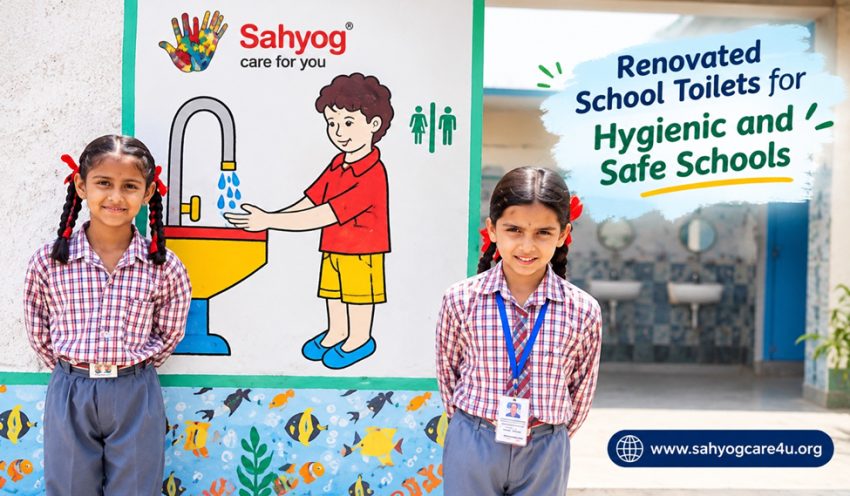
A locked, broken, or missing toilet rarely makes headlines, but it quietly decides whether a girl stays in school past puberty. Across India, poor sanitation infrastructure remains one of the most overlooked barriers to education, especially for adolescent girls, who often drop out or stay home simply because there’s no clean, private, and safe toilet…
Health, Hygiene, and Sanitation: Why Sahyog Care for You Treats Them as One Mission, Not Three
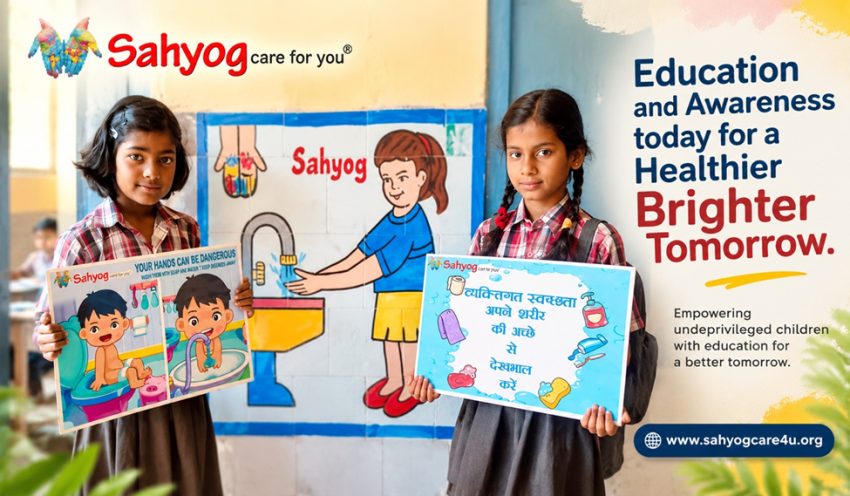
Ask a public health expert what actually keeps a community healthy, and the answer rarely stops at hospitals and medicine. Clean water, a functioning toilet, and the everyday habit of washing hands do more to prevent illness than most treatments do to cure it. Health, hygiene, and sanitation aren’t three separate causes competing for attention,…
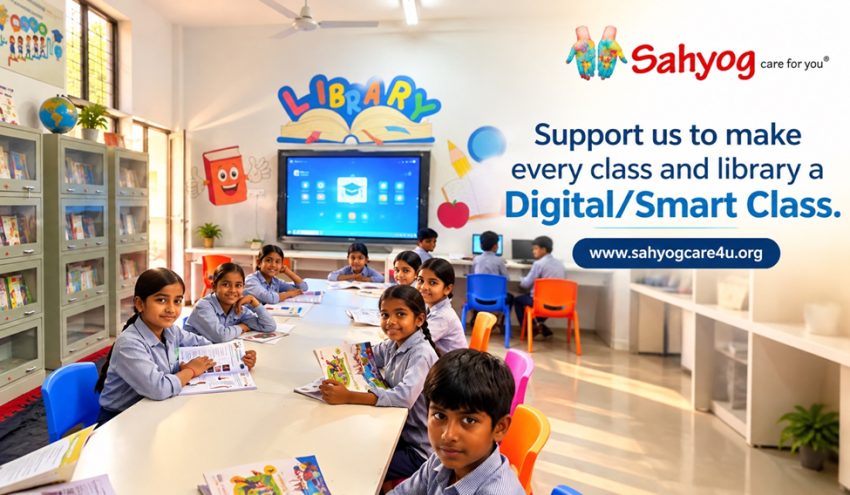
From Bare Room to Smart Library: The Four Stages of Building a Library That Actually Gets Used
On paper, India’s schools look reasonably well-equipped. Government data has periodically shown that well over eight in ten schools report having “a library.” In practice, that number often hides a much less impressive reality: a locked steel Amirah in a corner of the staff room, a stack of outdated textbooks that nobody has touched in…
One Toilet, One Tap, One Habit at a Time: Inside Sahyog Care for You’s WASH Model
Clean water, a safe toilet, and basic hygiene sound like the bare minimum, yet for millions of children and families across India, even this minimum remains out of reach. Sahyog Care for You has built its WASH work around a simple conviction: sanitation isn’t a side issue to be fixed once and forgotten, it’s connected…
The Solar Decade: How India Is Powering Its Future, One Rooftop and One Skill at a Time
Solar energy in India has stopped being a future promise and started becoming a present-day reality. Rooftops in small towns now double as power stations, government schools run computer labs on sunlight, and an entire new category of jobs has emerged around installing, wiring, and maintaining panels. Behind this shift sits a quieter, equally important…
NGO for Child Education in India: Creating a Path from Safety to Learning
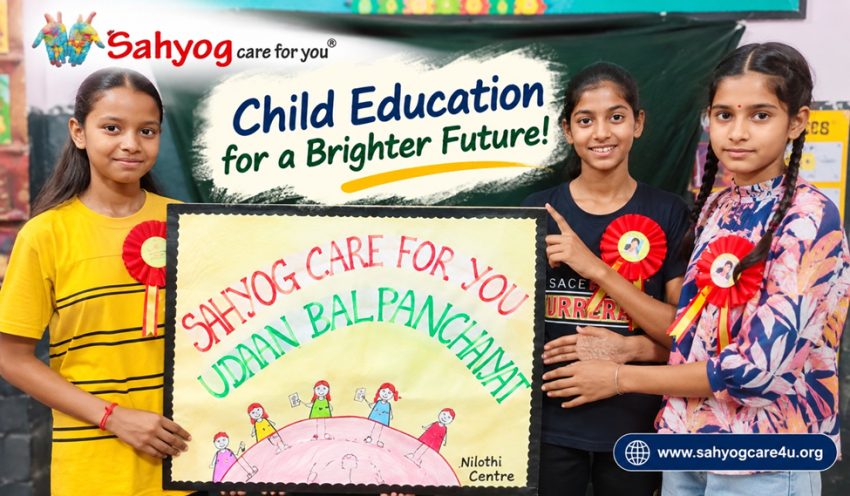
Education can change a child’s future, but access to school alone is not enough. Children from vulnerable communities may face child labour, poverty, migration, unsafe work environments, poor digital access and learning gaps. These challenges can prevent them from enrolling in school, continuing their education or performing well in the classroom. That is why child…
Clean Drinking Water Shouldn’t Be a Luxury: How Sahyog Care for You Is Closing India’s Water Access Gap
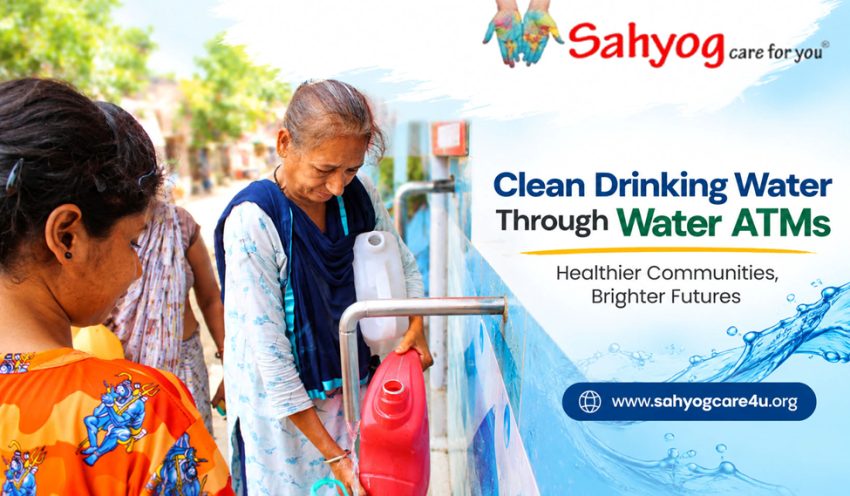
Ask most people what stands between a family and good health, and the answer rarely starts with water. Yet across India, contaminated and unreliable drinking water quietly does more damage than almost any other single factor, filling hospital wards, keeping children out of school, and forcing low-income families to spend money they don’t have on…
Why Every Government School Needs a Library, and How Sahyog Care for You Is Bringing Libraries to Gurgaon’s Schools
Ask a child in a well-resourced private school about their favourite book, and they will usually have an answer ready. Ask the same question in many government schools across India, and the honest answer is often that there was never really a library to choose from in the first place. Textbooks may exist, but storybooks,…
Bridging India’s Learning Gap: How an NGO for Child Education Is Changing What’s Possible
In a Class 3 classroom in a government school almost anywhere in India, there’s a good chance the room is only half filled due to high absenteeism. According to the 2024 Annual Status of Education Report (ASER), fewer than one in four Class 3 students enrolled in government schools could comfortably read a simple Class…
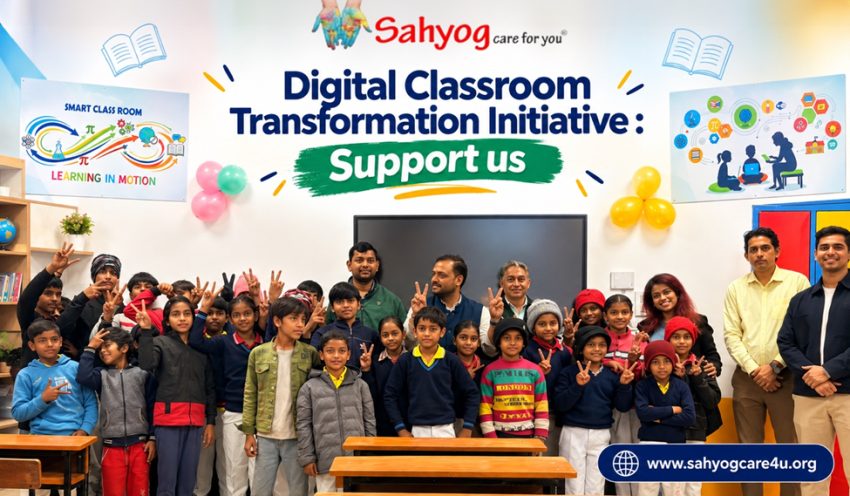
Tech Enabled Learning: Why the Way Children Learn Matters as Much as What They Learn
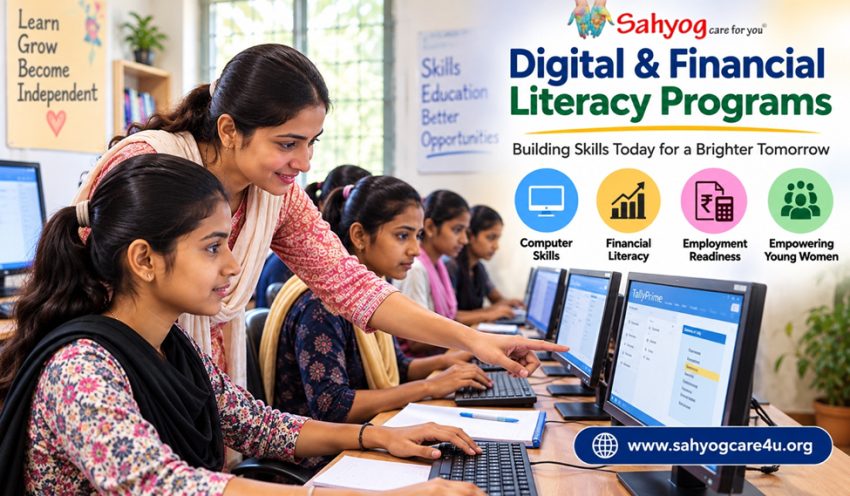
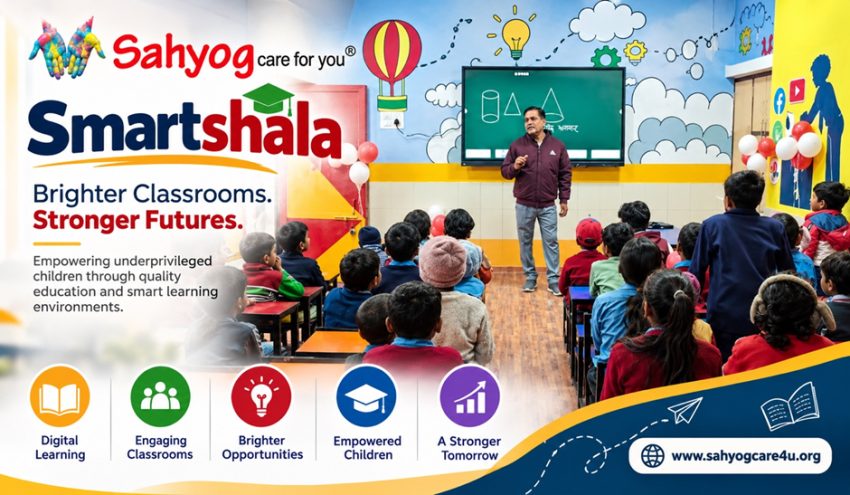
Two students can sit through the exact same lesson and come away with completely different levels of understanding, not because one is smarter, but because one learns better by hearing, another by seeing, and a third by doing. A single teacher, one blackboard, and forty students rarely has room to accommodate all three at once….