
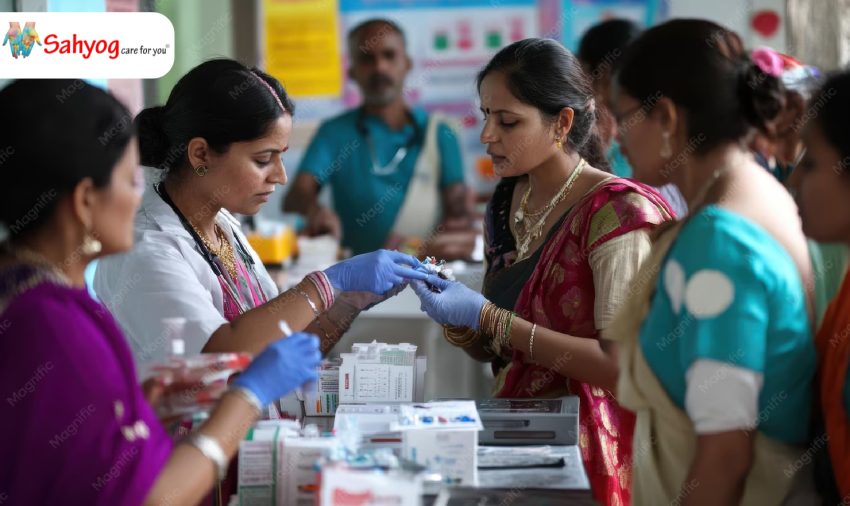
Maternal and child health is one of the most important areas of public health. It directly influences the health of households and future of societies. In most of India the availability of adequate healthcare in pregnancy and early childhood remains restricted. It is at this point that the role of an NGO for healthcare will be significant in enhancing access, awareness, and outcomes.
Targeting the Communities on the Ground Level
A NGO for healthcare operates on the grassroots to access women and children who might not have convenient access to clinics or hospitals. These groups deal with the delivery of basic services including prenatal services, postnatal, and child health follow-ups. Through their close cooperation with communities, they assist in ensuring that mothers get the care that they require during pregnancy and even after childbirth.
Raising Awareness among Pregnant Women
Awareness programs are one of the most important means by which an NGO for healthcare contributes to the maternal health. A lot of women and particularly in the rural setting might be ignorant of the need to check-up regularly, eat the right foods or have deliveries in an institution. NGOs hold educational classes to inform pregnant women about safe pregnancy, the need to visit the doctor on time, and the need to be aware of the first signs of complications. This information is useful in eliminating risks in pregnancy and childbirth.
Enhancing Access using Health Camps and Mobile Clinics
Besides awareness, a healthcare NGO tends to hold health camps and mobile clinics. These services take medical services to underserved communities. Women who are pregnant are able to get basic check-ups, vaccinations and nutritional advice without necessarily traveling a long distance. This will increase accessibility of healthcare and aid in early detection of possible health problems both in the mother and child.
Supporting Child Health and Development
Another area that an NGO in the healthcare sector has a significant influence is child health. During the early childhood period, frequent observation is necessary, so that proper growth and development is achieved. NGOs assist in monitoring the health of children, immunization, and give advice to parents on nutrition and hygiene. They also help to check prevalent diseases through upholding cleanliness and early health care.
Attention to Nutrition of Mothers and Children
Maternal and child health largely depends on nutrition. Access to healthy food and supplements of pregnant women and young children is the focus of many NGOs. They inform families on healthy diets and provide the necessary nutrients where necessary. This helps in eliminating the concerns of malnutrition and aids in healthy development.
Partnership with Healthcare Systems
Collaboration with local authorities and healthcare providers is another valuable contribution of an NGO to healthcare. Through collaborating, they empower the current healthcare systems and can deliver better services. The NGOs tend to serve as an intermediary between people and formal healthcare institutions, and people more easily seek assistance when they need it.
Creating Long-Term Impact
In the long run, the healthcare-related work of an NGO results in the healthier pregnancies, safer births, and child development. Their presence in the communities develops trust and makes people more serious about healthcare. Although there are still problems, the day-to-day efforts of these organizations are making a positive difference.
Conclusion
The maternal and child health should be constantly taken care of and supported. NGOs are significantly contributing to the health outcomes through awareness, availability of services and interaction with the community. A NGO for healthcare is not only a source of care but also equips families with the resources and knowledge to live a healthier life.