
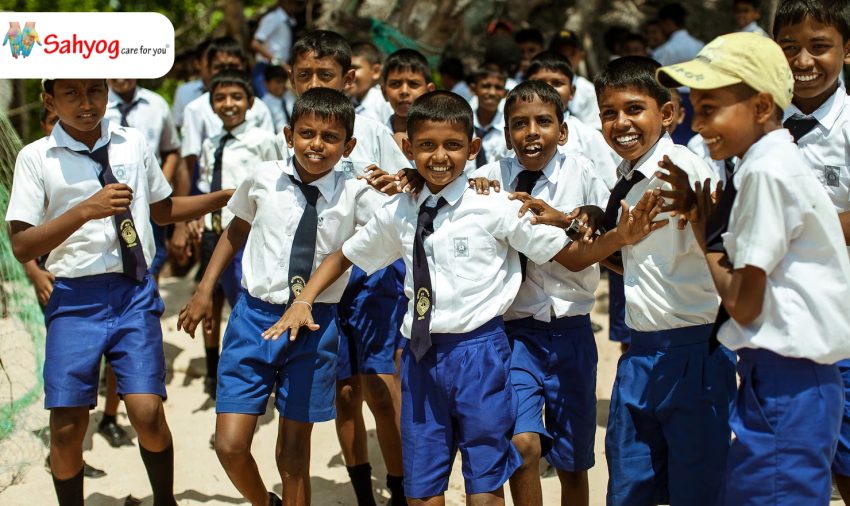
The process of education gets more personal when it is familiar. To a large number of children and more so those in rural and underserved communities, the learning process might seem far-away when it is not related to their lives. This is one of the places that an ngo for child education is relevant as they employ the local culture to make the learning process more relatable and effective.
Rather than using conventional ways of teaching, various institutions are currently emphasizing on narrations, local tongue, and cultural assimilation. These strategies assist children in grasping concepts more and being able to remain longer.
Learning Through Storytelling
Storytelling is one of the oldest and most effective ways of teaching. An effective ngo for child education will tend to utilize local stories, folk tales and real life examples to support concepts. Children can relate to the lesson when they hear stories that they have read before.
As an example, local traditions can be used to demonstrate the moral values instead of being taught using abstract concepts. This not only makes learning interesting but also easy to remember. Storytelling also promotes imagination and children articulate themselves better.
Regional Language is important.
Language is essential in the level of understanding a subject by a child. Most children find it difficult to learn in classes where the language of teaching is not their mother tongue. An ngo that provides child education combats this issue by instructing in the local language particularly during the initial stages.
When the children learn their language, they are more assured to ask questions and engage in activities. It eliminates indecisiveness and lays a solid groundwork in learning. As time goes by, it is possible to introduce more languages without causing confusion after the basics are understood.
Parents can also be involved through the use of regional language. They are in a better position to know what their children are learning and help them back home, although they may have little formal education.
Cultural Learning in the day to day life
An intelligent ngo of child education realizes that culture does not exist outside of education. It is an aspect of our daily living. Children are more relevant to learning through the inclusion of local customs, festivals, and traditions in lessons.
Math can be used as an example, say, of local market. Discussions of the nearby farms, rivers, or seasonal changes can be incorporated into the environmental studies. Traditional designs and practices can be manifested in art and craft sessions. Such cultural integration of this kind makes lessons practical and easy to comprehend.
It also assist children to be proud of their origin. They start to perceive education as one of their aspects as opposed to considering it as something that exists outside their world.
Building Stronger Engagement
Children are one of the most difficult aspects in the education sector. As soon as the lessons become detached, the interest decreases. A child education ngo based on local culture can be sustained longer since the children will identify themselves with what they are studying.
Such activities as local games, songs, and group discussions make classrooms more interactive. Such approaches help to provide children with a relaxed learning atmosphere, in which they are more eager to engage.
Increased attendance is also likely to be better with better engagement. Children who like to learn are also likely to attend school regularly.
Underpinning Long-Term Learning Outcomes
Storytelling, language, and culture are not only used to enhance short term understanding. It develops a solid foundation of long-term learning. Properly designed ngo on child education will make sure that the children do not just memorize information but actually learn it.
This process is also able to build critical thinking. By relating lessons to real life situations, children are taught on how to use knowledge beyond the classroom. In the long run, this will translate to improved academic and work skills.
Conclusion
A ngo for child education that incorporates the local culture in its teaching approaches provides a learning experience that is easy, efficient, and significant. Storytelling, use of regional language and culture make education more accessible and interesting to children.
This strategy demonstrates that enhancing the learning performance is not merely about the enhanced resources, but also the knowledge of the surrounding where children develop. Children will tend to learn, develop and progress with confidence when education is based on their world.