
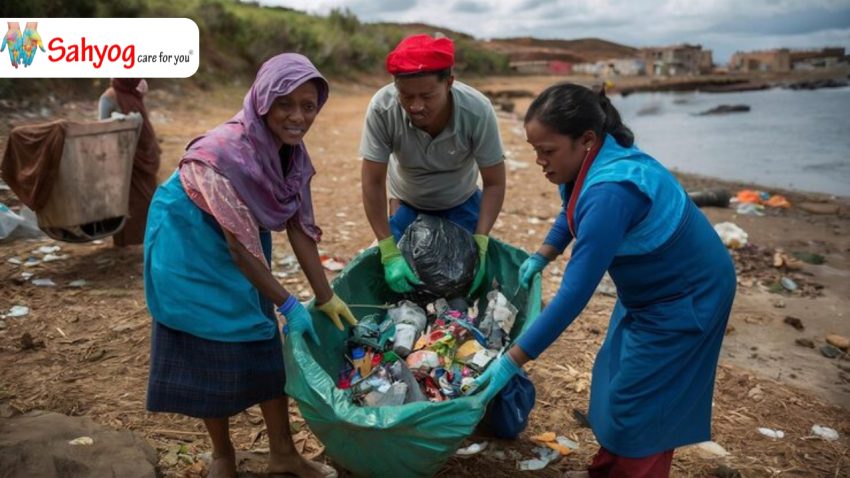
Sanitation is not just about building toilets or providing infrastructure—it is equally about changing behaviors and mindsets. In many communities, especially in rural and underserved areas, poor sanitation practices persist due to lack of awareness, cultural habits, and limited access to resources. This is where NGOs for Sanitation play a transformative role by promoting sustainable behavioral change alongside infrastructure development.
Understanding the Need for Behavioral Change
Although governments and other organizations have invested heavily in sanitation facilities, their effectiveness highly relies on the regularity with which individuals are using them and maintaining them. Long-standing habits often lead to open defecation, improper waste disposal, and lack of hand hygiene. Sanitation NGOs understand that merely installing facilities is not the solution, but the way people think and live needs to be changed to be effective in the long term.
Community Engagement and Awareness Programs
Community engagement has been one of the best approaches employed by NGOs for Sanitation. Such organizations pursue awareness campaigns, workshops and door to door contacts to inform people about the health hazards of poor sanitation. They simplify the language, the visuals, and the real-life examples are used to make the message easy to relate to, and easy to understand.
Awareness is also commonly spread through the use of street plays, local events, and school programs. These projects promote community involvement and can overcome social taboos in sanitation and hygiene.
Promoting Habit Formation
Change in behavior needs regular reinforcement and NGOs in Sanitation are very concerned with the habit formation. An example is that they encourage handwashing with soap, correct toilet use and safe disposal of waste. Engaging local influencers like teachers, community leaders, and health workers, NGOs establish a support network that helps individuals to embrace and maintain new practices.
A large number of NGOs also have reward based programs or recognition of communities that have achieved better sanitation practices. This is a good reinforcement that encourages others to do the same.
Empowering Women and Children
Poor sanitation conditions tend to affect women and children mostly. It is due to this that NGOs for Sanitation have taken them on board in their projects. Women and children are trained as hygiene ambassadors and school-based programs educate them respectively. This not only enhances awareness but also makes sure that the message is delivered to households in a better manner.
The empowerment of the groups will contribute to a ripple effect as they will change the family and community behavior with time.
Leveraging Technology and Innovation
NGOs have increasingly been using modern tools and technology to support Sanitation as a means of driving behavior change. Mobile apps, online campaigns, and data-driven monitoring systems are useful to monitor the progress and enhance outreach. Sanitation messaging is also more engaging and effective with visual storytelling using videos and social media.
Conclusion
Behavioral change is at the heart of sustainable sanitation practices. With awareness, community engagement, habit-forming and empowerment, NGOs for Sanitation are creating a big change in the way communities view and practice hygiene. They do not just work on infrastructural basis but on long-term change to transform the world for healthier and dignified living conditions of all people.