

THREE LETTERS THAT DECIDE A COMMUNITY’S HEALTH
Water, sanitation, and hygiene rarely get discussed as one problem, even though they almost always show up together. A community drinking untreated water, a school with no usable toilet, and a family with no awareness of basic hygiene practices aren’t three separate gaps — they’re one gap in access, wearing three different faces.
CSR WASH PROJECTS: WHERE FUNDING TURNS INTO INFRASTRUCTURE
Companies looking to fund CSR WASH projects can already see this model running: seven Water ATMs installed in high-traffic community areas provide 10 litres of safe drinking water for just ₹1, serving around 10,000 beneficiaries per Water ATM daily, while also creating local employment and entrepreneurship opportunities for the women who manage them. Alongside this, Sahyog Care for You renovates toilets in MCD schools, turning unusable facilities into safe, child-friendly ones that directly improve student enrolment and attendance.
WHY THE THIRD PIECE CAN’T BE SKIPPED
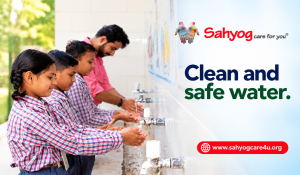
Infrastructure alone doesn’t guarantee healthier communities — people still need to know how to use it. As an NGO for WASH, Sahyog runs targeted Behaviour Change Communication (BCC) campaigns that build awareness around hygiene, nutrition, and preventive healthcare, and works to strengthen Primary Health Centres (PHCs) so that everyday healthcare access improves alongside water and sanitation, not separately from it.
WHY THIS MODEL WORKS FOR CSR PARTNERS
A water point without hygiene awareness gets misused, and hygiene awareness with no clean water to act on is just advice nobody can follow. The reason CSR WASH projects perform best when routed through a genuine NGO for WASH is that all three pieces — water, sanitation, and hygiene behaviour — are handled as one coordinated program instead of three disconnected grants, which is exactly what SDG 6 (Clean Water and Sanitation) asks for.
GET INVOLVED
Companies structuring their next CSR WASH allocation, or individuals looking to fund a Water ATM, a school toilet renovation, or a community hygiene awareness drive, can support a model that’s already running on the ground.