
Preventive care is significant in ensuring that people stay healthy and minimizing the burden of diseases. Rather than treating diseases when they arise, preventive care is aimed at ensuring that they do not arise. Basic healthcare knowledge and services are still not available to a large population in India. It is at this point that an NGO comes in to create a tangible impact in healthcare.
An NGO for healthcare operates in partnership with communities and aims at sharing information, delivering the necessary services, and promoting healthy behaviors. Their activities can make people be aware and do little but which result in the long-term health.
Creating Awareness on health and hygiene
Awareness campaigns are one of the most significant measures that are taken by an NGO that promotes preventive care in the field of healthcare. A lot of diseases are only prevented by keeping the environment clean and healthy. NGOs hold workshops, plays on the streets, and community meetings to sensitize the people about hand washing, clean drinking water, and waste disposal.
Such straightforward messages will make communities embrace better habits as they are repeated on a regular basis. In the long run, this minimizes the risk of infections and enhances general health conditions.
Arranging Routine Health screening
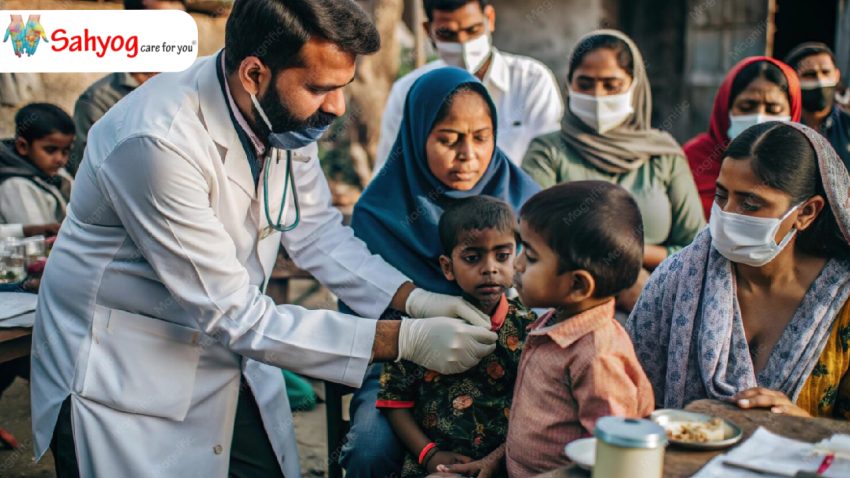
Lifestyle diseases that are detected early can be saved. An NGO for healthcare may also hold regular free or cheap medical camps in rural and urban regions where it is difficult to access medical centers. Such camps encompass simple screenings like blood pressure, diabetes among eye screening among others.
Having been able to detect any health concerns at the initial stage, individuals can have timely treatment and prevent severe complications. In this way, preventive care becomes viable and more available.
The Advocacy of Vaccination and Immunization
One of the most effective preventive mechanisms that should be used today is vaccination. Nevertheless, this is still unknown to many individuals or is not available to them. An NGO for healthcare is important to facilitate vaccination programs particularly among children and the vulnerable population.
They collaborate with local governments and healthcare organizations to make vaccines available in all the community corners. They also teach parents on the importance of immunization to aid in the development of trust and acceptance.
Promoting Healthy Lifestyle Decisions
Diseases like obesity, diabetes, heart problems among others are on the increase as a result of lifestyle. A healthcare-related NGO is one of the ways to solve this problem by assisting individuals in living healthier lifestyles.
They also encourage healthy eating habits, exercise, and measures that prevent bad habits such as smoking, alcoholism, etc. through community sessions. These minor modifications have a great potential to minimize the chances of chronic illnesses.
Facing Maternal and Child Health
Mothers and children must receive preventive care in particular. A healthcare NGO is one that deals with advice and care in pregnancy and early childhood. This involves food education, frequent checkups and education on safe delivery practices.
These attempts guarantee that both mother and child will be healthy and stand a chance to eliminate complications and enhance the long-term results.
Establishing Community involvement
Good community is a significant contributor to preventive care. A healthcare NGO welcomes the involvement in its activities by educating local community health workers and volunteers. These people can be regarded as a mediator between healthcare providers and the population.
They assist in the dissemination of information, health status, and direct individuals to the best practices. This kind of local engagement helps to make preventative care more effective and sustainable.
Conclusion
Prevention care does not only concern medical services but it concerns knowledge, habit, and action in time. An NGO for healthcare is a body that unites all these factors to make communities healthier. These organizations help to decrease the general burden of diseases by targeting education, early detection, and lifestyle changes.
Through their work, they demonstrate that individuals can be empowered to have control over their health and live better lives as long as they receive the right guidance and support.