
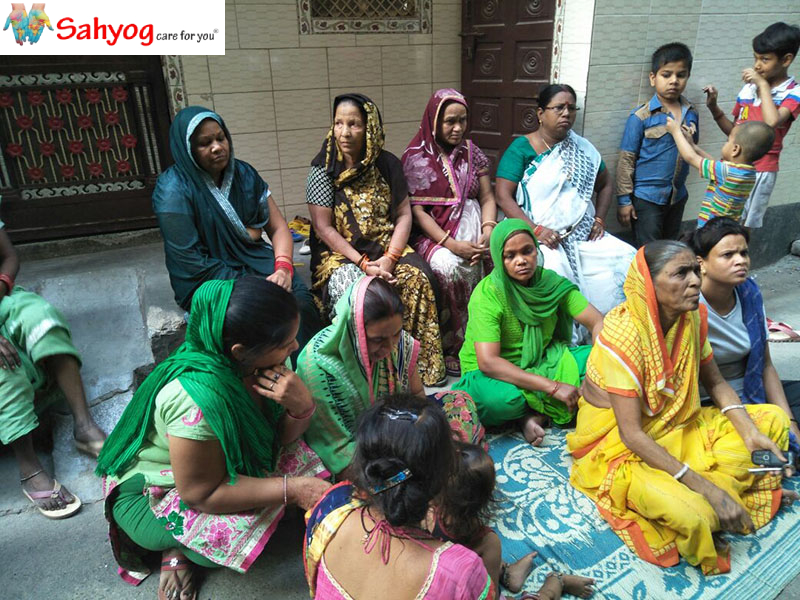
Education is known to be one of the most efficient means of social and economic development. However, the problem of women having access to education in many of the rural parts of India is still prominent because of poverty, based on traditions, and other resources. It is here that NGOs for women education are very essential. These groups are not only empowering women but also changing the very fabric of rural India through their special programs and reaching out into the community.
Bridging the Gender Gap in Rural Education
Gender inequality in education is a deterrent in rural India. Sometimes, families give more importance to educating the male children, and girls are expected to perform the role of a housekeeper. NGOs for women and organizations are doing this to transform this mindset by carrying out awareness campaigns and involving the community. These NGOs will make parents enroll and fund their daughters in school by stressing the advantages of educating women, like improved family health, financial independence and understanding society.
They also offer scholarships, free educational resources, and transportation support, thus opening up schooling to the girls in the rural areas. In the long run, these initiatives have led to high enrolment and retention rates of women students in the rural areas.
Skill Development and Vocational Training
Education does not only mean literacy, but making opportunities. A women education NGO usually incorporates skill-based training in its curriculum, through which women acquire practical skills in such fields as tailoring, digital literacy, agriculture, and entrepreneurship. Through these programs, women are trained to join a workforce or form small businesses of their own, which increases their economic self-sufficiency.
By the time women become earners, they do not just lift themselves up but also make a contribution to their homes and society. Income-generating skills such as these in most rural regions have assisted the families to come out of the poverty cycle.
Promoting Health, Hygiene, and Social Awareness
One of the main areas that NGOs for women education can concentrate on when education is concerned with women is on creation of awareness on basic health and hygiene practices. Several organizations also hold menstrual hygiene, maternal health and nutrition workshops; these are issues that have not been given much consideration because of the social taboos. Women who are educated have a better opportunity to make informed health choices in their lives and in their families and this results in healthier communities.
Education can also be used to fight against such social problems as early marriage and discrimination on gender. In enabling women to think, and be confident, NGOs enable women to defend their rights and be active participants in community decisions.
Leveraging Technology for Education
In the latest digital era, technology has served as the facilitator between the rural world and good education. NGOs for women education are also shifting towards using digital resources like e-learning platforms, virtual classes, and mobile applications to learn. Such innovations have been able to ensure that women in the remotest places are in a position to access good educational materials.
Digital literacy programs do not only empower women on how to utilize the technology, but also expose them to new job opportunities and means of communication. The outcome is the emergence of a fresh breed of digitally enabled women who will be able to maneuver their way in the contemporary world
Building Future Leaders
The impact of an NGO on women’s education is seen in the growing number of women in rural areas who are able to assume leadership positions in their communities. There are a large number of educated women who are becoming teachers, social workers or local leaders who demand better facilities, education and gender equality. Their success stories encourage other people to pursue the same path, which has a trickle effect of empowerment.
Conclusion
The role played by NGOs for women education in funding women education in rural India goes much deeper than literacy. These organizations have had a lasting impact on the whole communities, more specifically women, by allowing people to have access to education, become self-reliant, and become leaders.