
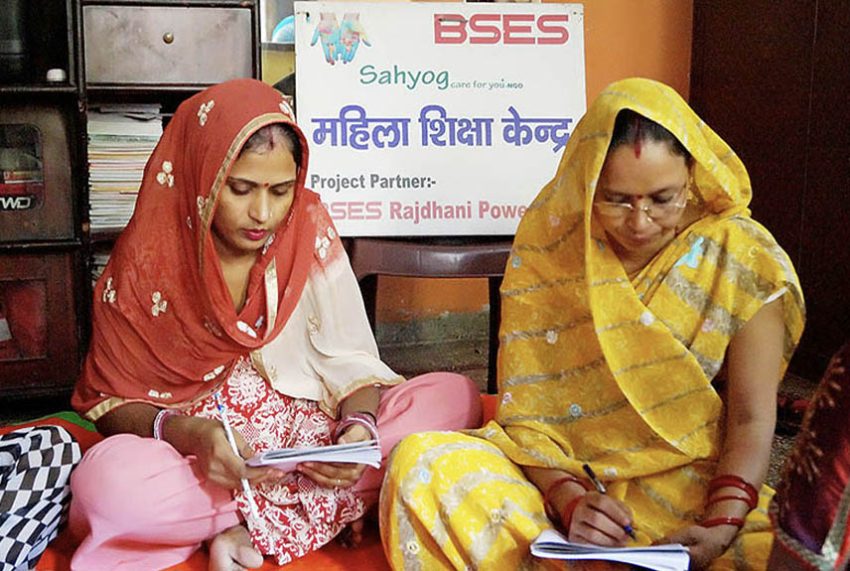
Education is often associated with textbooks, classrooms, and examinations. However, true empowerment goes far beyond academic achievement. An NGO for Women Education plays a transformative role in shaping confident, independent, and socially aware individuals. These organizations focus not only on literacy but also on life skills, leadership, health awareness, and economic independence, creating a foundation for holistic development.
Building Confidence and Self-Esteem
Among the greatest contributions of an NGO for Women Education is building confidence in women and girls. A large number of beneficiaries belong to underprivileged or marginalized communities in which opportunities are limited because of social barriers. These organizations make the women find out their strong points through mentorship programs, personality development workshops, and interactive sessions and make them believe in their potential.
Confidence empowers women to express their opinions, pursue careers, and participate actively in community decision-making. This broader educational definition cultivates toughness and self-esteem, which are necessary to succeed in the long-term.
Promoting Life Skills and Leadership
Academic knowledge alone does not prepare women for real-world challenges. An NGO for Women Education usually carries out training regarding communication skills, financial literacy, digital awareness and problem solving. Such life skills help women to cope with personal finances, utilize technology and make well-informed decisions.
Another important topic of focus is leadership programs. Public speaking events and group activities where women appear to take initiative in community projects are some of the activities that develop future leaders in these NGOs. Leadership trained women usually turn out to be role models and motivating others in their societies to be educated and independent.
Health and Social Awareness
Holistic education includes understanding health, hygiene, and social rights. There are a large number of women who cannot find trustworthy information regarding the reproductive health, nutrition, and mental well-being. An NGO for Women education fills this gap by conducting awareness campaign, health camp, and counseling.
Knowledge about legal rights and protection laws also empowers women to stand against discrimination and violence. Women can be empowered to get support and represent themselves and other woen when they know their rights. This is a learning factor that empowers personal lives as well as communities.
Encouraging Economic Independence
Financial independence is a crucial step toward gender equality. In addition to school education, most often an NGO for Women Education provides vocational training like tailoring, handicraft, computer skills, and entrepreneurship development. These programs assist women to make a living and to support their families.
Skill-based training is not only relevant in enhancing employability but also entrepreneurship. Women who start small businesses are helping people in the local economies and are becoming financially stable. Through economic empowerment, dependency is minimized and decision making power is maximized in the household.
Creating Supportive Communities
Learning is successful in conducive atmospheres. An NGO for Women Education usually creates networks where women get to exchange experience, challenges and accomplishments. Peer support groups foster cooperation and emotional strength. These safe spaces foster mutual respect and solidarity, creating a ripple effect of empowerment.
It also includes involvement of families and the local leaders in community engagement so that education of women is valued and sustained. When the society collectively enhances women growth, the long term development would be achieved.
Beyond the Classroom
The real purpose of education for women goes way beyond the formal schooling. Developing social, emotional, economic, and leadership aspects, NGOs make well-rounded people able to initiate change. These organizations make education an empowerment, equality, and sustainable development tool through holistic efforts.