
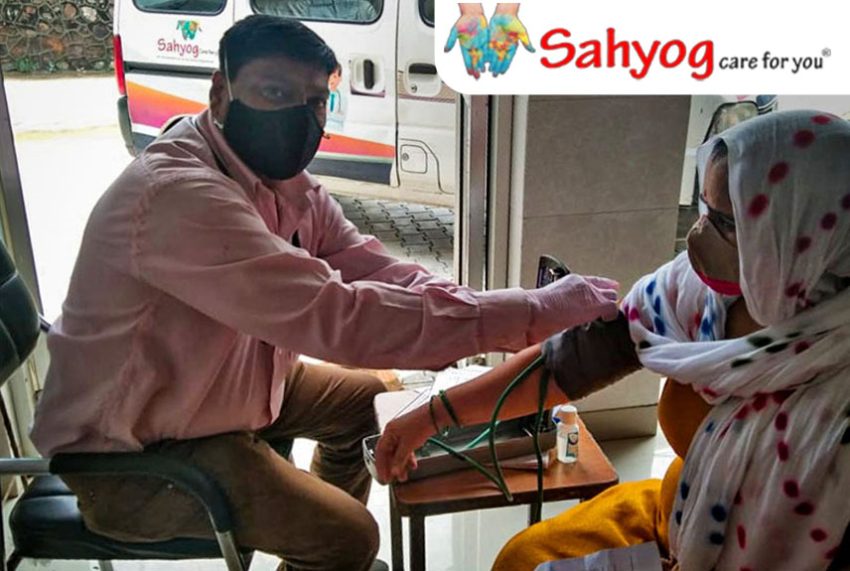
The role of the public hospitals in healthcare system is vital in India. They also treat millions of people daily and particularly the individuals who are unable to afford individual care. Nonetheless, with the increase in population, few infrastructures and workforce shortages, government-operated hospitals find it difficult to cope with the increased demand. This is where an NGO for healthcare is required to assist in providing the necessary support system that will otherwise not provide the patients with a solution or a solution that will be timely.
The Reality of Overburdened Public Hospitals
Prolonged waiting time, overcrowding of wards, and limited diagnostic centers are usually the challenges in many government hospitals. Nurses and doctors do not get a rest, but the number of patients makes it hard to provide personal attention. The resources are frequently put under pressure as preventive care, follow-up treatment, and early diagnosis usually play second fiddle.
An NGO for healthcare can be used to solve this problem by taking the burden off hospitals and expanding beyond hospital boundaries. Their efforts are in such a way that they make sure people are attended to in a timely manner before their conditions are serious.
Reaching Patients Before It Is Too Late
Delayed treatment is one of the significant lapses in the state healthcare. A significant number of individuals visit hospitals when their illness is out of control; be it because of financial issues, distance, or ignorance. An NGO for healthcare operates at the community level to detect the health problems at an early stage.
Through their outreach programs, awareness and screening, these organizations are able to identify illnesses at a tender stage. This is because early intervention will enhance recovery rates as well as lower the burden on hospitals that handle late cases.
Bringing Healthcare Closer to Communities
One of the significant obstacles in the healthcare sector is access. To most of the families, particularly in poor or out-of-town locations, the cost of going to a hospital implies the loss of a wage or even long commuting. A good NGO for healthcare compensates this gap by delivering medical services to people.
Community-based healthcare programs make sure that fundamental consultations, check-ups, and advice are made accessible near the residence. This method enhances trust, promotes frequent health checkups and helps to avoid minor problems which might lead to severe conditions.
Supporting Preventive and Follow-Up Care
In the case of public hospitals, there is a tendency to concentrate on an immediate treatment. Nevertheless, preventive care or long-term follow-up are also significant. An NGO in Healthcare is an important element in making sure that patients remain treated even after leaving hospital and adhere to the medical counsel properly.
NGOs contribute to follow-up of care through reminding patients of their follow-up appointments and providing the patient with information on medication compliance. This assistance has a great impact on health improvement, particularly in chronic illness patients.
Focus on Vulnerable Groups
When the health care systems are overloaded, children, the elderly, and the poorer segment are some of the most impacted. With an NGO for healthcare, these vulnerable groups are frequently given priority and particular attention.
Child health, nutrition, and early diagnosis are paid special attention to avoid the development of complications throughout life. NGOs also assist families that cannot afford treatment; therefore making financial difficulty is not an impediment to treatment.
Strengthening the Healthcare Ecosystem
An NGO for healthcare complements instead of replacing the public hospitals. Managing the preventive care, awareness, early screening, and community outreach will enable hospitals to work with severe and emergency cases.
Such partnership enhances the overall system of healthcare. Combining NGOs and public hospitals makes the process of delivering healthcare more efficient, inclusive and patient-centered.
Conclusion
The overburdened government hospitals are unable to meet all the healthcare demands by themselves. An NGO for healthcare is essential to filling such gaps by providing communities with healthcare, aiding in early diagnosis, and treatment continuity. Sahyog is also very dedicated to this mission and this has been achieved by its programs like the mobile health camps where free consultation and diagnostic tests are taken to the homes. In conjunction with this, Sahyog strongly believes in providing the much- needed medical help to child patients, particularly those fighting cancer and heart diseases, and in doing so will place the much needed help to those who are in greatest need.
By contributing to Sahyog in its initiatives for healthcare, women empowerment and quality education, you can bring a positive change toward the life of those who have been deprived everything that shapes their lives.