
The diagnosis of cancer does not have an impact on the body only. It affects emotional, family stability, finances and social identity. The post-diagnosis process may be lonely and distressing to many patients, particularly those who are in an underserved group. This is where the intervention of an NGO for cancer patients comes in. Operating…
How Supporting an NGO for Child Education Creates Long-Term Social Change
One of the most powerful tools of forming the better society is education. Children can be given hope of a better future when they are provided with the appropriate learning support at the appropriate time to attain confidence and development of skills. It is here that the role of an NGO for child education becomes…

Digital Literacy for All: How the Best NGO in Delhi Is Closing the Tech Gap
The digital world is becoming more and more developed, and still, thousands of people in underserved communities are not having access to such opportunities. Their low-access to technology, or their ignorance, and insufficient training frequently leave them out in the current digital-first economy. This is where the organizations that are concerned with empowerment and skill…
CSR-1 Registered NGO for Partnership: Understanding the Roles and Functions
Corporate Social Responsibility (CSR) has turned out to be a significant component of business strategy in India and firms are increasingly collaborating with NGOs to undertake effective development initiatives. A CSR-1 registered NGO is one of them, and it is crucial to make sure that the CSR initiatives are effective, transparent, and compliant. When companies…
Understanding Child Treatment Specialization with an NGO for Cancer Patients
Childhood cancer is one of the most challenging medical battles a family can face. Beyond the emotional stress, parents often struggle with financial pressures, treatment complexities, and the need for long-term care. In such difficult times, NGOs dedicated to cancer support play a transformative role. Many of these organizations specialize in child treatment, offering not…
Challenges Faced by an NGO Working with Marginalized Communities
One of the greatest tasks in the development sector is to reach socially or economically disadvantaged people. An NGO working with marginalized communities of people is instrumental in enhancing their access to education, health, sources of livelihood and basic rights. Nevertheless, it is not an easy work. These organizations usually have to work in the…
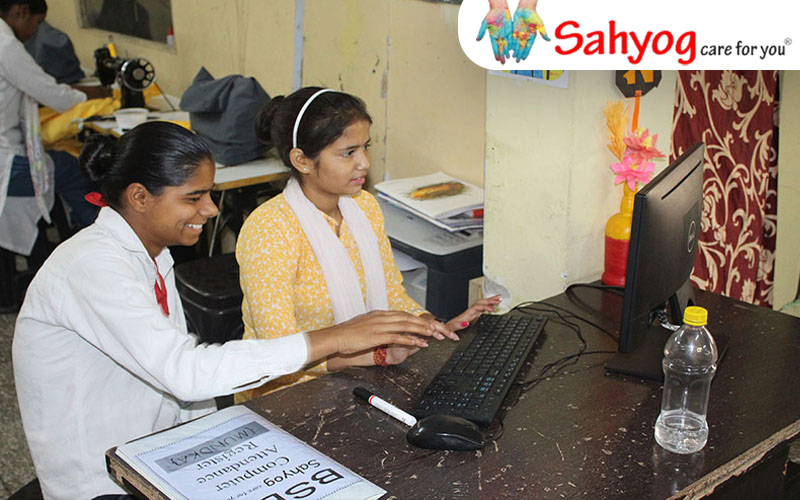
The Role of Skill Development in Women Livelihood Empowerment
Women livelihood empowerment plays a significant role towards stronger communities as well as economic independence. The ability to develop skills is the core part of the process as they provide women with tools, knowledge, and confidence necessary to find a job, build their enterprises, and take care of their families. To most women, the acquisition…
Making Rehabilitation Programs Accessible: NGO Initiatives in Rural and Underserved Areas
Many of the children in rural and underserved regions still have access to quality child rehabilitation programs. The physical disability, developmental delay, and neurological disorders need immediate management, yet families in distant areas might not have the resources, knowledge, and outlets that would help them to care about kids adequately. Non-governmental organizations (NGOs) are intervening…

The Role of an NGO for Healthcare in Creating Health Awareness Among Rural Populations
The population of rural India still faces the problem of the inability to access adequate healthcare. Family constraint, to see medical attention in time, is often due to inadequate medical facilities, ignorance, and financial factors. In this case, a healthcare NGO will be crucial as it does not only offer some basic medical assistance but…
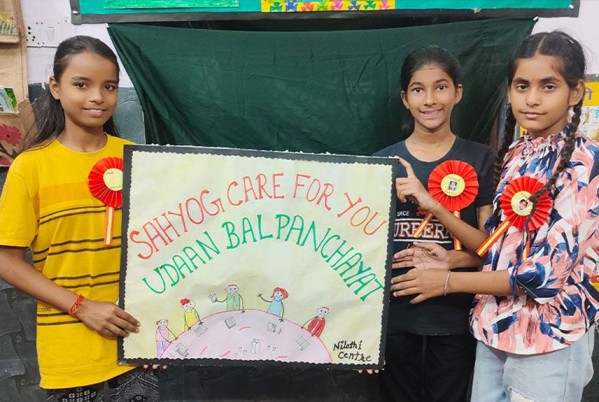
Why Supporting an NGO for Child Education; First Step toward Social Change
One of the most potent tools in the creation of the long-term social change is education. It assists children to create the base of a brighter future and brings the development of a nation. Millions of children in India however, still lack basic education either because of poverty, inaccessibility or because of social stigma. It…