
Earning a daily income is not an end in itself. To the marginalized groups, it is dignity, stability and future plan. Millions of Indian families continue to deal with sporadic employment, low wages, and low skill levels. The NGO working with marginalized communities, in this case, could play an important role by providing a sustainable livelihood instead of temporary relief.
Understanding the Root Causes of Livelihood Insecurity
The marginalized groups are usually discriminated against by more than one reason simultaneously: education, insufficient healthcare access, social exclusion, and awareness of opportunities. Most people of this community rely on the informal sector which does not provide them with employment security or advancement. An NGO working with marginalized communities would start with knowing these challenges at the grassroots and develop programs that respond to the actual needs rather than generic ones.
Skill Development That Matches Local Demand
Relevant skill training is one of the best options to enhance livelihood. NGOs recognize skills that are locally needed including tailoring, basic computer skills, food preparation, repair services or handicrafts. When training is aligned to the requirements of the market, an NGO operating in the marginalized communities will be making sure that people are able to translate skills into income.
Supporting Women through Livelihood Programs
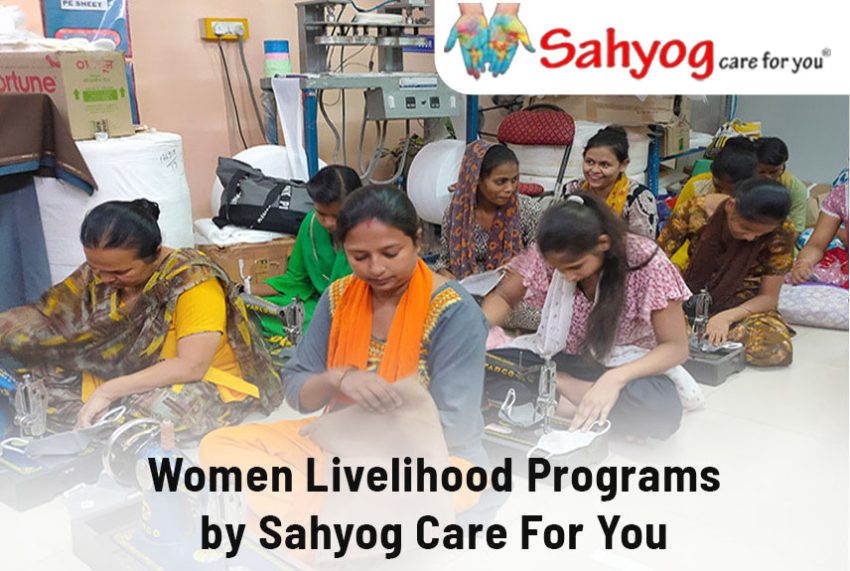
Women in the marginalized communities are usually unable to access paid employment because of family and societal expectations. NGOs develop programs that are livelihood programs that are women-oriented and offer women flexibility in working and the option of earning a living at home. The NGO with marginalized communities can facilitate the attainment of financial independence and empowerment of women to make decisions in their households through self-help groups, micro-enterprises, and collective savings, which are supported by the NGO.
From Training to Employment and Entrepreneurship
Training does not stop livelihood creation. Support in placement, mentorship and accessing small funds is also crucial. NGOs usually introduce beneficiaries to local employers or assist them to start small businesses. Directing people into these initial phases, an NGO with marginal communities minimizes the chances of a failure and creates confidence over time.
Strengthening Community Resilience
Sustainable livelihoods enable communities to survive economic shocks like loss of jobs, health crises or migration. With the family incomes stable, children get better chances of remaining in school, healthcare becomes affordable and general living standards get better. This is a ripple effect of why an NGO working with marginalized communities is significant in long term development and not short term aid.
Conclusion: Be a Partner in Building Livelihoods
The creation of livelihoods transforms lives and brings back dignity and independence. As an NGO working with marginalized communities, Sahyog works on ground training the marginalized communities on skills, resources, and opportunities in order to generate sustainable incomes. Your donations to the livelihood projects of Sahyog enable us to change the unfamiliar with the familiar and hard work with the possibility. Your help can be the beginning of a sustainable livelihood of a family aiming to change towards a better living.