
One of the most powerful tools of forming the better society is education. Children can be given hope of a better future when they are provided with the appropriate learning support at the appropriate time to attain confidence and development of skills. It is here that the role of an NGO for child education becomes very effective. Such organizations assist in the bringing of long term social change which benefits not only an individual but also a whole community by targeting children who are usually left out of the formal system.
Education as the Foundation of Social Progress
Those children who take classes and pursue education in school would become responsible and independent adults. Education reduces poverty, enhances awareness of health and provides the employment opportunities. An NGO for child education is operating at the grassroots and makes sure that learning is provided to children with obstacles like poverty, migration, family life, and absence of quality schools.
Through the sponsorship of such organizations, the society is making an investment in prevention and not in cure. Education can only lead to reduced unemployment, crime, or inequality instead of dealing with the effects of these problems later.
Reaching Children Left Out of Formal Schooling
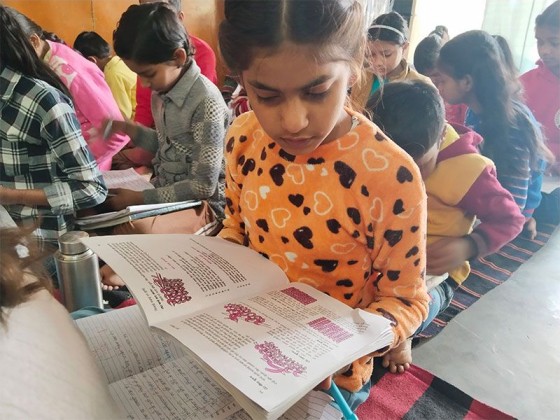
Since there are early dropouts, learning gaps, or even unstable families, many children lack access to formal education. To meet this, Non-Formal Education (NFE) and Remedial Education courses are commonly run by an NGO dealing with child education. Such programs are targeted towards children who have never attended school or those who require additional assistance to be at par with their colleagues.
Non-Formal Education offers flexible education based on age and level of learning of the child. Remedial Education is aimed at reinforcing the basic literacy and numeracy. These programs combined with each other assist children to regain their learning base and get them ready to re-enter or resume formal schooling with confidence.
Improving Learning Outcomes through Personalized Support
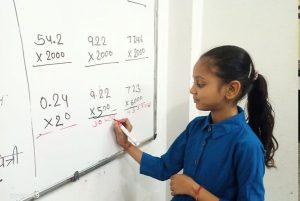
An NGO for child education also has the advantage of providing individualized attention which is one of its main strengths as far as child education is concerned. These programs also allow identification of the learning gaps of every child and tackle them one after another, unlike crowded classrooms. This concentration method assists the children in gaining knowledge more effectively and also lowers the fear of learning that most of the struggling students develop.
With time, there is an increase in school retention rates due to better academic performance. When children feel that they are supported and competent, dropout rates are lower and this leads directly to long-term educational and social stability.
Engaging Parents in the Learning Journey
It is not only the children who need to be involved in the true social change. Meetings between parents and teachers- Parent-Teacher Meetings (PTMs) are extremely important in this process. Such meetings enable the educators to monitor the progress of the individual children as they inform parents and involve them.
With the PTMs, parents start to realize the value of regular attendance, home support and encouragement. This mutual responsibility empowers the child learning atmosphere both at home and at school. Through such interactions, an NGO based on child education establishes an atmosphere of trust with families and a culture of education.
Creating a Ripple Effect in Communities
The influence of good education to children goes way beyond the classroom. Educated children become successful adults and make wise choices, provide to their families, and become good members of society. With time, the communities enjoy enhanced level of employment, health awareness and robust social values.
The NGOs should be assisted in child education and thus it is assisting a generation that will be rising and rising. Every child schooled nowadays makes a role model to others tomorrow.
Conclusion
Social change cannot occur instantly on a long-term basis; it starts with little and steady endeavors in education. Through sponsoring such child education programs as Non-Formal Education, Remedial Education, and frequent Parent-Teacher Meetings, an NGO for child education guarantees that no child will be left behind. Such initiatives assist children in addressing the learning lapses, engaging parents in the advancement, and creating a destiny where education is achieved through enduring social change.