
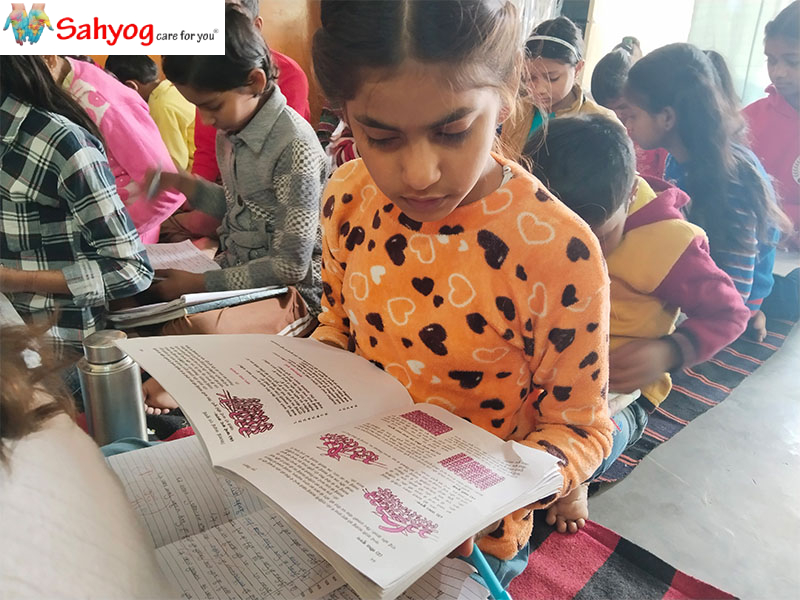
One of the greatest instruments that can be used to achieve social and economic change is education. However, in most regions of rural India, quality education is not available because of poverty, and infrastructural facilities and trained teachers are few. This is where NGOs for child education comes in as an important player in child education. These organizations strive to close the educational gap by all means, making sure that educational opportunities are availed to the children in the remote regions.
The Role of NGOs in Promoting Education in Rural Areas
An NGO for child education serves as an intermediary between the communities, governmental efforts, and individual partners. NGOs develop targeted programs that support both educational and social aspects by locating areas that have low literacy rates. They construct schools, avail learning materials, and create awareness among parents and the local leaders on the need to have education.
A large number of these organizations even provide children in marginalized families (who are often involved in daily labor) access to free and uninterrupted education. By keeping in touch, NGOs for child education are able to persuade parents to enroll their children, particularly girls to school rather than fields or workplaces.
Improving Access and Infrastructure
The absence of good educational infrastructure is one of the greatest challenges in the rural areas. A child education NGO will usually intervene to build classrooms and libraries and provide basic needs, such as uniforms and books. There are even some NGOs that offer transportation or mobile learning units to children in the remote villages.
This infrastructure will make accessibility to safe and conducive learning environment available to every child, irrespective of their geographical position and economic status. By making schools more accessible to the children, NGOs for child educationin effect decrease the cases of dropouts and encourage regular attendance.
Introducing Innovative Teaching Methods
The teaching approaches are innovative and flexible and suit rural children, applied in many NGOs. An NGO in child education does not have to use the conventional classroom paradigm only, its digital learning, community teaching facilities, or activity-based learning programs can be presented. Such practices make learning more engaging and children acquire challenging ideas with a lot of ease.
In regions with a shortage of teachers, the NGOs educate the young people and volunteers to become facilitators and allow the community to participate in its own educational development. This localized model is also a capacity-building strategy that is also sustainable in the long run.
Promoting Equality and Inclusion
The rural education problems are not just dependent on infrastructure and access, but more on some of the social issues that are deeply rooted in society like gender inequality and caste prejudice. An NGOs for child education has a significant role in shattering these barriers by promoting the idea of a level equal opportunity to learn among everyone.
Special focus is given to the enrolment and retention of the girl children who usually are the first to drop out either because of domestic duty or early marriage. Through awareness campaigns and dealing with the parents, the NGOs are able to transform the mindsets and urge the families to embrace education to every child regardless of their gender and background.
Building Community Awareness and Participation
The community-based practice of an NGO is one of the strengths of the organization in the area of child education. These organizations make education a collective duty by including the parents, teachers, and the local leaders. They hold meetings, awareness campaigns, and cultural events to bring out the long term benefits of education.
The community involvement fosters trust and independence of education programs that go on beyond the NGO intervention. The more a community is awakened, the more it begins to demand more in terms of schools, facilities, and teaching standards, which is the development of a good cycle.
Long-Term Impact on Rural Development
Child education is much more than just classrooms, and that is where NGO has its contribution. These organizations boost literacy levels and enable the coming generations to pursue more professional jobs, make sound decisions in their lives, and lead to the local economy. Children who have an education have a higher probability of becoming responsible citizens who contribute to the development of their communities.
Furthermore, due to the spread of education, the rural areas experience a slow change in the lifestyle- a higher level of hygiene, awareness of healthcare systems, and social equality are spread. Therefore, NGOs do not only educate children but they empower whole communities.
Conclusion
NGOs for child education are a key pillar of rural development that is done by an NGO. The NGOs change the lives of many children by enhancing access, inclusion, and motivating communities and preventing their lives as they would have been deprived of learning opportunities.
Their efforts are not just educative but they bring the hope, promote empowerment, and open the door to a more equal future. Each child who undergoes such efforts is a beacon of progress and this concept is strengthened by the fact that the process of development actually starts with education.