
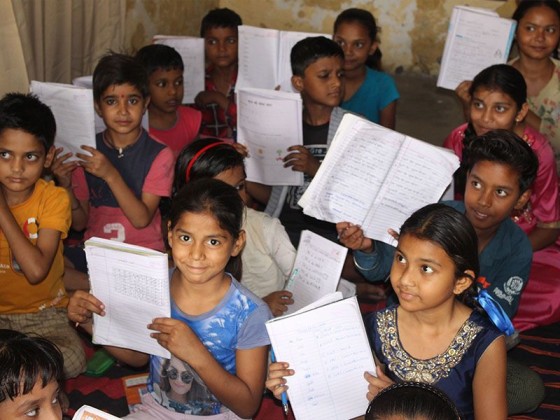
Education is one of the strongest tools for social transformation, but millions of children in India cannot receive quality education. An NGO for Child Education is very important in accessing underprivileged children and addressing the gap in education. Nevertheless, even with a noble purpose, such organizations have several social issues that undermine their activities and restrict their long-term effect.
Poverty and Economic Instability
Poverty at the grassroots level is one of the greatest challenges that an NGO for Child Education would have to deal with as far as education is concerned. Most families are relying on daily wages and children are usually expected to help in earning money instead of going to school. Indirect educational expenses like uniforms, travel, and school supplies discourage parents even in cases where free education is provided. NGOs have to engage in constant efforts to persuade families that education is beneficial in the long run, which is difficult when immediate survival is at stake.
Child Labor and Social Mindsets
Child labor is another serious challenge that is deeply embedded in the society. In several regions children are either involved in agriculture, household duties or small-scale industries. An NGO for Child Education will face opposition from communities who believe child labor is normal or necessary. The way to change those kinds of mindsets is through continuous awareness, engaging the community and building trust and this can only come with time and consistent efforts.
Gender Inequality and Cultural Barriers
Another social challenge is gender bias. In many communities, educating boys is considered more important than educating girls. Early marriages, family duties and safety concern do not allow girls to go to school on a regular basis. An NGO for Child Education should find a way to eliminate such cultural barriers through promotion of gender equality, parental education and provision of safe and inclusive learning opportunities for girls.
Lack of Community Participation and Trust
NGOs also face struggles with lesser community participation especially in remote or underserved areas. Suspicion towards external organizations, false information or past bad experiences reduces the participation in educational programs. Trust building needs transparency, local partnerships, and visible outcomes. Community support is the primary stickler to robust education programs.
Challenges Pertaining to Infrastructure and Accessibility
What quadruples the challenges of child education are poor infrastructure, schools in limited numbers, poor hygiene, and absence of digital services. In rural and tribal regions, children are forced to walk long distances to schools, leading to irregular attendance. It requires additional resources in order to deal with these logistical constraints that make operations more difficult.
Conclusion
Although these have been the social challenges, the contribution of NGOs has been crucial in changing lives through education. An NGO for Child Education not only focuses on academic education but also social problems like poverty, inequality and child rights. To conquer these challenges, there should be cooperation between NGOs, communities, corporates, and government organizations. NGOs can empower children and create a more educated and inclusive India with the collective support and long-term commitment.
Donate at Sahyog and help a child overcome social barriers, and create a brighter, more inclusive future.