
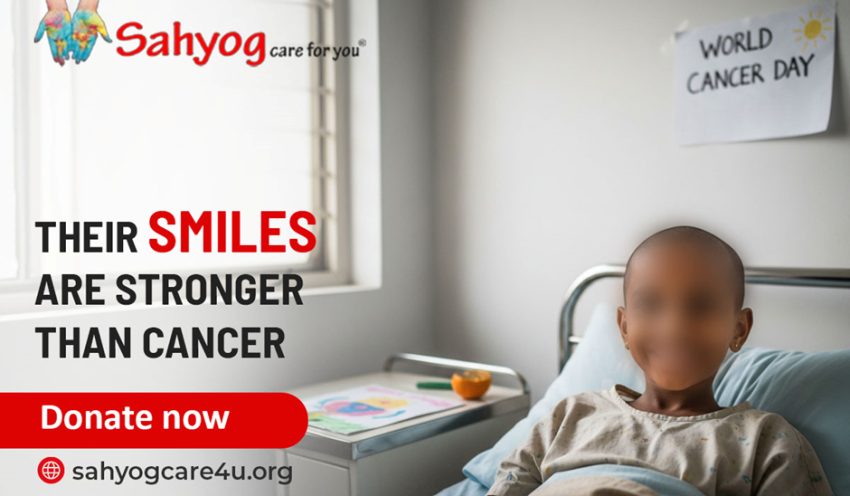
It’s a thought many people have before closing a donation page: Can my small contribution really make a difference against something as big as cancer?
Cancer claims hundreds of thousands of lives in India every year, making one donation seem insignificant. But cancer isn’t fought in numbers. It’s fought one child, one family, one blood transfusion, one chemotherapy session, one hospital visit at a time.
At that scale, no contribution is small. It could be the support that helps a child receive their next round of treatment and keeps hope alive.
From Your Hands to a Child’s Healing
Money donated to a dedicated NGO for cancer patients rarely sits in a general fund waiting to be spent someday. It becomes the bus fare a family from a small town needs to reach a hospital equipped to treat their child. A counselling session for a mother who hasn’t been able to say out loud how frightened she is. None of these moments make headlines, but they often make all the difference between a family that keeps fighting and one that quietly gives up.
Helping Families Navigate the Toughest Journey
A hospital can treat a tumour, but it can’t always solve everything that comes with a cancer diagnosis. It can’t ensure a family from a small town can afford to travel for treatment, explain a complex diagnosis in a language they understand, or ease the fear of a child facing cancer for the first time.
This is where a genuine NGO for cancer patients does its quietest, most essential work — arranging transport, funding diagnostics families couldn’t otherwise afford, and putting a trained counsellor beside a frightened child when her parents are too overwhelmed to know what to say. Community health camps do their part too, catching warning signs early, before a treatable cancer becomes a much harder fight.
Life After Cancer
Beating cancer is only the beginning of recovery. Many child survivors return to schools and communities where they feel different, while their families continue to recover from the emotional and financial impact of treatment. A committed NGO for cancer patients stays present – helping survivors and their parents rebuild through training, mentorship, and a community who understand exactly what they went through. Because surviving cancer should never mean spending the rest of childhood defined by it.
Every Gift Keeps Hope Alive
The bus ride to the hospital. The counselling session. The life-saving treatment. The support that helps a child rebuild after cancer. None of it happens without people who choose to give.
No single donation cures cancer. But together, thousands of ordinary acts of generosity give children a chance to fight, recover, and dream again.
Donate today. Your contribution could be the reason one child receives the care they need—and the chance to live the life they deserve.